By Christine Larsen, MS, LBS, Behavioral Health Manager
October is Selective Mutism Awareness Month. Selective Mutism is classified under anxiety disorders in the DSM-5 and appears to be associated with social anxiety. Individuals with Selective Mutism can be social and talkative in some settings (at home; in small groups), but unable to speak in other settings (with unfamiliar people; in large groups). In the IDD population, Selective Mutism occurs at a slightly higher rate. Identifyingand treating Selective Mutism in the IDD population is often complicated by anoverlap in behaviors or traits; “diagnostic overshadowing” by clinicians; and symptom presentation, duration, and prognosis differing from what’s defined inthe DSM-5 and current research, since mental illness in the IDD population doesn’t always follow the typical course.
Encourage your staff and colleagues to promote acceptance and awareness of Selective Mutism by using the following talking points:
References and resources:
https://www.selectivemutism.org/
https://pmc.ncbi.nlm.nih.gov/articles/PMC12789166/
For more information on Anxiety Disorders in the IDD population, register for this FREE virtual training through PCHC in November: https://us02web.zoom.us/webinar/register/WN_Bg_m5R9ETPKR3iY0eiulJw#/registration
Funding provided by the Philadelphia Department of Behavioral Health/Intellectual disAbility Services, the Bucks, Chester, Delaware and Montgomery County Offices of Intellectual/Developmental Disabilities and the Office of Developmental Programs, Pennsylvania Department of Human Services.


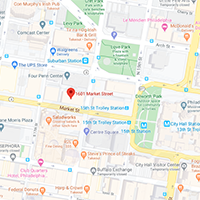
1601 Market Street, 5th Floor
Philadelphia, PA 19103
© 2015 - 2026 PMHCC, Inc. All rights reserved. | Privacy Policy | HIPAA Notification
Phone: 215-546-0300 ext. 3685
Contact Us