By MagentaWebb, BSN, RN (Community Based Nurse)
Dissociative disorders are mental health conditions involving disruptions in memory, awareness, identity, or perception, often developing as a response to trauma. In individuals with Intellectual and Developmental Disabilities (IDD), dissociation is frequently overlooked or misunderstood due to overlapping symptoms and communication challenges.
IDD includes conditions characterized by limitations inintellectual functioning and adaptive skills that begin before adulthood, such as intellectual disability and autism spectrum disorder. Individuals with IDD are at increased risk for trauma because of dependence on caregivers, social isolation, and higher rates of abuse and neglect. These factors make dissociation a significant but underrecognized concern.
Common dissociative disorders include dissociative amnesia, depersonalization/derealization disorder, dissociative identity disorder, and other specified dissociative disorders. In individuals with IDD, dissociation may present as sudden behavioral changes, emotional withdrawal, staring episodes, memory gaps, regression in skills, or unexplained shifts in mood or functioning. These behaviors are often misattributed to the developmental disability itself or viewed solely as behavioral issues.
Diagnosis is challenging because standard assessment tools relyheavily on verbal self-report and abstract thinking. As a result, dissociative symptoms may be misdiagnosed as psychosis, seizure activity, or noncompliance. Accurate identification requires a trauma-informed, multidisciplinary approach that includes behavioral observation, caregiver input, and developmental history.
Trauma plays a central role in the development of dissociative disorders. Individuals with IDD experience disproportionately high rates of abuse, medical trauma, bullying, and loss of autonomy. When traumatic experiences cannot be processed or communicated, dissociation may become a primary coping strategy.
Treatment should be individualized and trauma-informed, focusing first on safety, emotional regulation, and stability. Adapted psychotherapy using concrete language and visual supports is most effective. Caregiver and staff education is essential to ensure consistent, supportive responses. Medication may help manage co-occurring symptoms but is not a primary treatment for dissociation. Recognizing dissociation in individuals with IDD allows formore accurate diagnosis, compassionate care, and improved quality of life.
Resources:
Funding provided by the Philadelphia Department of Behavioral Health/Intellectual disAbility Services, the Bucks, Chester, Delaware and Montgomery County Offices of Intellectual/Developmental Disabilities and the Office of Developmental Programs, Pennsylvania Department of Human Services.


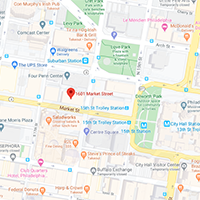
1601 Market Street, 5th Floor
Philadelphia, PA 19103
© 2015 - 2026 PMHCC, Inc. All rights reserved. | Privacy Policy | HIPAA Notification
Phone: 215-546-0300 ext. 3685
Contact Us