By Christine Larsen, MS, LBS, Behavioral Health Manager
As this colder-than-average winter comes to a close, how many times have you had the thought “I’ll [fill in the blank] once it gets warmer”? Putting things off until we feel like doing them doesn’t always yield the best outcomes. Behavioral Activation is a facet of Cognitive Behavior Therapy that’s used for Depression. Individuals with intellectual disabilities and Autism are more likely to experience mental health symptoms than the general population. They may also struggle with rigidity, making it even harder to break out of a depressive rut—but sometimes changing our behavior is the first step towards improving our mood!
When people procrastinate on going to the gym; making plans with friends; or getting that mountain of laundry done, they’re using avoidance and withdrawal as an immediate negative reinforcer, which will only provide temporary relief for their Depression. It’s easy to say “I’ll wait until I’m in a better mood”, but sometimes it takes engaging in the very actions we’re avoiding in order to start feeling better long-term. Inaction begets inaction, but fortunately, doing things usually results in doing more things!
Here are some tips for using Behavioral Activation with individuals who have ID or Autism:
Resources:
PCHC Health Fair Activities Guide
Weekly Schedule for Behavioral Activation
Feelings cards; naming feelings
Funding provided by the Philadelphia Department of Behavioral Health/Intellectual disAbility Services, the Bucks, Chester, Delaware and Montgomery County Offices of Intellectual/Developmental Disabilities and the Office of Developmental Programs, Pennsylvania Department of Human Services.


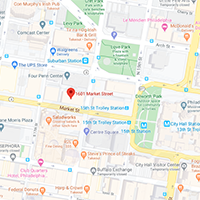
1601 Market Street, 5th Floor
Philadelphia, PA 19103
© 2015 - 2026 PMHCC, Inc. All rights reserved. | Privacy Policy | HIPAA Notification
Phone: 215-546-0300 ext. 3685
Contact Us