By Magenta Webb BSN, RN (Community Based Nurse)
Each year, many individuals experience changes in mood and energy as the seasons change. Seasonal Affective Disorder (SAD) is a type of depression that typically occurs during the fall and winter months when daylight hours become shorter. While it is common to feel less energetic during colder months, SAD can significantly impact daily life relationships, and overall well-being.
Common symptoms of SAD include persistent feeling of sadness, loss of interest in activities once enjoyed, low energy, difficulty concentrating, changes in sleep patterns, increased appetite, and social withdrawal. These symptoms often begin in late fall and improve during the spring and summer.
The exact cause of SAD is not fully understood, but reduces exposure to sunlight is believed to affect the body’s internal clock, serotonin levels, and melatonin production, all which play a role in mood regulation.
What Can Help:
National Institute of Mental Health. (2024). Seasonal affective disorder. U.S. Department of Health and Human Services. https://www.nimh.nih.gov/health/publications/seasonal-affective-disorder
American Psychiatric Association. (2024). What is seasonal affective disorder (SAD)?
https://www.psychiatry.org/patients-families/seasonal-affective-disorder
If you or someone you support may be experiencing symptomsof SAD, talk with your healthcare provider.
Resources:
Funding provided by the Philadelphia Department of Behavioral Health/Intellectual disAbility Services, the Bucks, Chester, Delaware and Montgomery County Offices of Intellectual/Developmental Disabilities and the Office of Developmental Programs, Pennsylvania Department of Human Services.


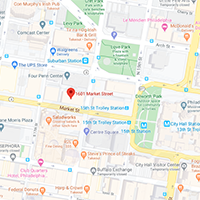
1601 Market Street, 5th Floor
Philadelphia, PA 19103
© 2015 - 2026 PMHCC, Inc. All rights reserved. | Privacy Policy | HIPAA Notification
Phone: 215-546-0300 ext. 3685
Contact Us