By Magenta Webb, BSN, RN (Community Based Nurse)
Tourette Syndrome (TS) is a neurological disorder that causes involuntary movements and sounds known as tics. Tics can range from mild and infrequent to more complex and persistent, often appearing during childhood, typically between ages 5 and 10. While TS is lifelong, it does not affect intelligence, and many individuals lead successful, fulfilling lives. Awareness and education are essential to reducing stigma, promoting empathy, and supporting individuals with TS in schools, workplaces, and communities. While there is no cure for TS, multiple strategies can improve quality of life andhelp manage symptoms: Behavioral therapy, medications, or stress management.
Signs and Symptoms
Motor tics: sudden, brief movements such as eye blinking, shoulder shrugging, or head jerking. Vocal tics: involuntary sounds, words, or phrases, which can range from throat clearing, grunting, or sniffing to more complex vocalizations. Complex tics: sequences of movements or vocalizations that appear purposeful but are involuntary.
Importance of Awareness
Celebrating Tourette Syndrome Awareness Day on June 7th highlights the need for public understanding and empathy. Increased awareness encourages early diagnosis, reduces stigma, and supports individuals inreaching their full potential. Advocates emphasize that people with TS can thrive when provided with the right combination of education, therapy, and community support.
Resources:
Centers for Disease Control and Prevention. (n.d.).Tourette syndrome. https://www.cdc.gov/tourette
Tourette Association of America. (n.d.). Learn about Tourette syndrome. https://tourette.org
Funding provided by the Philadelphia Department of Behavioral Health/Intellectual disAbility Services, the Bucks, Chester, Delaware and Montgomery County Offices of Intellectual/Developmental Disabilities and the Office of Developmental Programs, Pennsylvania Department of Human Services.


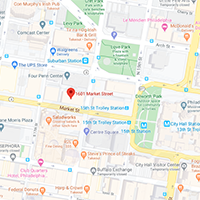
1601 Market Street, 5th Floor
Philadelphia, PA 19103
© 2015 - 2026 PMHCC, Inc. All rights reserved. | Privacy Policy | HIPAA Notification
Phone: 215-546-0300 ext. 3685
Contact Us