This page provides current vaccine and prevention guidance for providers, caregivers,and individuals receiving services. Individuals with chronic conditions, older adults, and people with intellectual and developmental disabilities (IDD) may be at higher risk for complications.
Covid-19 | Influenza (Flu) | MMR / Measles | Shingles | Hantavirus | Ebola
Overview
COVID-19 is a respiratory virus that continues to circulate in the community and can range from mild illness to severe complications. While many individuals experience mild symptoms, those who are older, have underlying health conditions, or have intellectual and developmental disabilities (IDD) may be at higher risk for hospitalization and serious outcomes.
COVID-19 spreads primarily through respiratory droplets when an infected person coughs, sneezes, or talks. Preventive measures such as staying up to date with vaccination, practicing good hand hygiene, and avoiding contact when sick remain important in reducing transmission.
Symptoms
Fever, cough, fatigue, sore throat, congestion
Prevention
Overview
Influenza (flu) is a seasonal respiratory illness that typically circulates during the fall and winter months. It can cause mild to severe illness and may lead to complications such as pneumonia, especially in older adults, individuals with chronic medical conditions,and those with weakened immune systems.
The flu spreads easily through close contact, making vaccination and infection prevention especially important in group settings such as residential homes and day programs. Annual flu vaccination is the most effective way to reduce the risk of illness, hospitalization, and complications.
Prevention
Overview
Measles is a highly contagious viral illness that spreads through the air when an infected person coughs or sneezes. It can remain in the air and on surfaces for extended periods, making it one of the most easily transmitted infectious diseases.
Measles can lead to serious health complications, including pneumonia, brain inflammation, and hospitalization. Maintaining immunity through the MMR (measles, mumps, rubella) vaccine is critical, particularly for individuals living or working in group settings where outbreaks can spread quickly.
Symptoms
Fever, cough, runny nose, rash starting on face
Prevention
Overview
Shingles is caused by the reactivation of the varicella-zoster virus, the same virus that causes chickenpox. After a person recovers from chickenpox, the virus remains inactive in the body and can reactivate later in life, especially as the immune system weakens.
Shingles typically presents as a painful rash and can lead to long-term nerve pain, known as postherpetic neuralgia. Adults aged 50 and older and individuals with weakened immune systems are at increased risk. Vaccination is the most effective way to prevent shingles and its complications.
Who is at risk?
Adults 50+, immunocompromised individuals
Prevention
Overview
Hantavirus is a rare but serious virus spread primarily through contact with infected rodent urine, droppings, or saliva. People may become infected by breathing in contaminated particles, especially when cleaning enclosed spaces where rodents have been present.
Although uncommon, hantavirus infection can lead to severe respiratory illness known as Hantavirus Pulmonary Syndrome (HPS), which can become life-threatening if not identified early.
Individuals working in residential, maintenance, storage, or environmental service settings should be aware of prevention measures.
Prevention
Prevention focuses on environmental control, sanitation, and safe cleaning practices.
Overview
Ebola virus disease is a rare but severe illness caused by infection with Ebola virus. The virus spreads through direct contact with blood and body fluids of an infected person, contaminated objects, or infected animals.
Common symptoms
Prevention
Immunization Status
There is a vaccine available for certain Ebola virus strains (Ervebo). Vaccinations is generally used for outbreak response and for individuals at higher occupational risk, rather than as a routine vaccine for the general public.
Individuals receiving services through the Office of Developmental Programs (ODP) and those with IDD may require additional supports.
Key Points:
ODP Resources:
https://www.pa.gov/agencies/dhs/programs-services/intellectual-disabilities
Funding provided by the Philadelphia Department of Behavioral Health/Intellectual disAbility Services, the Bucks, Chester, Delaware and Montgomery County Offices of Intellectual/Developmental Disabilities and the Office of Developmental Programs, Pennsylvania Department of Human Services.


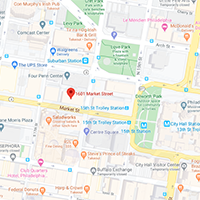
1601 Market Street, 5th Floor
Philadelphia, PA 19103
© 2015 - 2026 PMHCC, Inc. All rights reserved. | Privacy Policy | HIPAA Notification
Phone: 215-546-0300 ext. 3685
Contact Us